

MCLR rates South Indian Bank: What You Need to Know

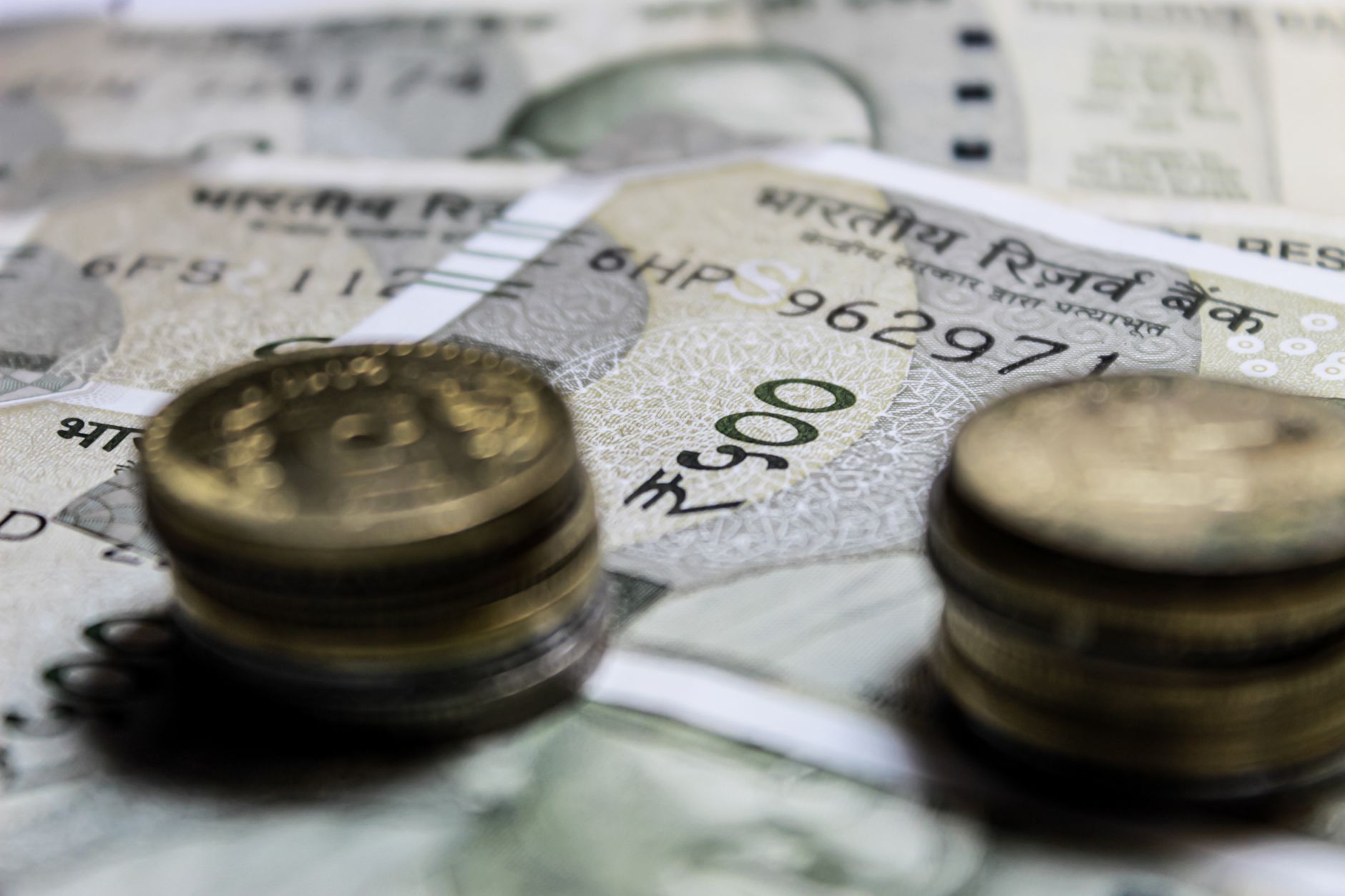
MCLR rates South Indian Bank will undergo revisions starting in October 2026. This change is significant for customers looking to understand how it affects their loans and deposits.
Understanding MCLR Rates
Understanding MCLR rates is crucial for borrowers seeking loans from South Indian Bank. The Marginal Cost of Funds based Lending Rate (MCLR) is the minimum interest rate at which banks are willing to lend. This rate is influenced by various factors, including the bank’s cost of funds, operating costs, and the tenor of the loan.
For South Indian Bank, the MCLR rates are revised periodically to reflect changes in the economic environment and operational costs. As of October 2026, the revised MCLR rates are set to impact various loan products offered by the bank, including housing loans, personal loans, and vehicle loans. Understanding these rates can help borrowers make informed decisions regarding their financing options.
Key components that affect the MCLR rates include:
- Cost of Funds: This includes the rate at which the bank obtains its funds, which can fluctuate based on market conditions.
- Loan Tenor: Different loan tenors may have different MCLR rates, affecting the overall interest paid by borrowers.
- Base Rate: The MCLR cannot be lower than the base rate set by the Reserve Bank of India.
Overall, staying updated on the MCLR rates of South Indian Bank is essential for borrowers to accurately assess their borrowing costs and plan their finances effectively.
Impact of MCLR Changes
The recent changes in the MCLR rates at South Indian Bank are expected to have significant implications for both borrowers and the banking sector. Understanding the MCLR rates South Indian Bank has become essential for customers looking to secure loans at competitive rates.
One of the primary impacts of the revised MCLR rates is on the interest that borrowers will pay on existing and new loans. As the rates fluctuate, borrowers may experience changes in their equated monthly installments (EMIs), which could either ease their financial burden or increase it, depending on the direction of the rate change.
Additionally, the modifications in MCLR rates can influence the overall lending landscape. A decrease in MCLR may encourage borrowing, boosting consumer spending and stimulating economic growth. Conversely, an increase could lead to a slowdown in loan demand, affecting banks’ profitability and their ability to lend.
Furthermore, these changes can also impact fixed deposit rates, as banks often adjust their deposit offerings in response to MCLR movements. Customers should stay informed about the latest MCLR rates to make better financial decisions, whether it’s opting for a home loan, personal loan, or adjusting their savings strategy.
In summary, the impact of MCLR changes at South Indian Bank is multifaceted, affecting borrowers, potential customers, and the broader economic environment.
How MCLR Affects Borrowers
The Marginal Cost of Funds Based Lending Rate (MCLR) significantly impacts borrowers at South Indian Bank, influencing the interest rates on loans. As MCLR rates change, so do the equated monthly installments (EMIs) that borrowers must pay, making it crucial for them to stay informed about these fluctuations.
When MCLR rates increase, borrowers can expect their loan repayments to rise, potentially straining their finances. Conversely, a decrease in MCLR rates can lead to lower EMIs, providing relief to borrowers and making loans more affordable. This dynamic is particularly important for those with floating rate loans, as their interest rates are directly linked to the prevailing MCLR rates.
Here are some key points to consider about how MCLR affects borrowers:
- Loan Type: Borrowers with fixed-rate loans remain unaffected by MCLR changes.
- Floating Rate Loans: Most personal and home loans are floating rate, making them sensitive to MCLR adjustments.
- Financial Planning: Regular changes in MCLR rates necessitate ongoing financial assessment for budgeting.
- Market Trends: Borrowers should monitor market conditions, as they can influence MCLR rates at South Indian Bank.
Understanding MCLR rates is thus essential for borrowers looking to manage their loan obligations effectively.
Expert Opinions on MCLR
Experts in the banking and finance sector have shared their insights on the recent adjustments to the MCLR rates at South Indian Bank. These changes, effective from October 2026, have raised several pertinent questions among borrowers and industry analysts alike.
According to financial analyst Rajesh Kumar, the revised MCLR rates at South Indian Bank are indicative of the broader trends in monetary policy and market liquidity. He suggests that borrowers should take these changes into account when planning their financial commitments. “The MCLR rates directly influence the interest rates on loans, so understanding the implications of these adjustments is crucial for consumers,” Kumar noted.
Additionally, banking expert Sneha Varma emphasizes the importance of monitoring MCLR fluctuations. “With South Indian Bank adjusting its rates, it could signal a shift in lending practices that may affect customer behavior and overall demand for loans,” she explained.
Moreover, industry veteran Anil Ghosh warns that borrowers should remain vigilant. “Even a slight increase in MCLR can lead to higher EMIs, impacting affordability,” he said. As the financial landscape continues to evolve, understanding MCLR rates at South Indian Bank will be vital for informed decision-making.
In conclusion, expert opinions suggest that these new MCLR rates should be closely monitored by both potential and existing borrowers.
Future of Banking Rates
The future of banking rates, particularly the MCLR rates South Indian Bank offers, is poised for significant developments as the financial landscape evolves. With the Reserve Bank of India’s ongoing adjustments to the monetary policy, banks are likely to respond with their own rate changes to remain competitive and manage their funding costs effectively.
Analysts predict that the MCLR rates South Indian Bank will continue to fluctuate in response to various economic indicators, including inflation and overall economic growth. As the central bank aims to balance inflation and growth, banks may find themselves adjusting their MCLR rates more frequently to align with these shifts.
In addition, the increasing adoption of technology in banking could lead to more transparent and efficient rate-setting processes. This evolution may empower customers by providing them with better access to information regarding MCLR rates and their implications on loan products.
As we look ahead, customers and financial analysts alike should keep a close eye on these trends. The responsiveness of banks to economic changes will significantly impact borrowers and savers, making it crucial to stay informed about the evolving MCLR landscape.
In summary, the future of MCLR rates, especially at South Indian Bank, is likely to be influenced by both external economic conditions and advancements within the banking sector.
Customer Reactions to MCLR
Customer reactions to the revised MCLR rates South Indian Bank have been mixed, reflecting a diverse range of perspectives among borrowers and potential clients. Many customers are expressing concern over the recent adjustments, citing possible increased costs on their existing loans.
Among the notable feedback, several borrowers have shared their thoughts:
- “The new MCLR rates have caught me off guard. I was planning to take a home loan, but now I’m reconsidering,” said a prospective borrower from Kochi.
- “While I understand that banks need to adjust rates, I hope this won’t affect my monthly payments too drastically,” commented a current customer with a personal loan.
- “I believe it’s time for the bank to revisit their customer service approach. We need clarity on how these changes impact us,” stated a long-time account holder.
On the other hand, some customers have welcomed the changes, hoping that the revised rates might lead to improved interest rates for future loans. They argue that adjusting MCLR rates can stimulate lending and help the economy.
Overall, the sentiment surrounding the MCLR rates South Indian Bank has sparked a broader discussion about the implications for borrowers as they navigate their financial options.
Conclusion on MCLR Rates
In conclusion, the revised MCLR rates at South Indian Bank represent a significant shift that can affect both existing and prospective borrowers. With the ongoing changes in the banking sector, understanding MCLR rates is crucial for making informed financial decisions. As we have explored throughout this article, MCLR rates influence the interest borrowers pay on loans, which can impact their overall financial health.
South Indian Bank’s adjustment of its MCLR rates is a response to various economic factors, including market liquidity and the central bank’s monetary policy. These changes may lead to fluctuations in loan rates, thus affecting customer borrowing costs. It is essential for borrowers to stay updated with these adjustments to avoid unexpected financial burdens.
Many customers have expressed concerns regarding how these new rates will affect their monthly payments and overall loan affordability. The bank’s communication regarding these changes has been critical in helping customers navigate this new landscape.
As we look ahead, staying informed about MCLR rates at South Indian Bank will be crucial for anyone considering a loan. Monitoring these rates will allow borrowers to make better financial decisions and secure favorable terms. Ultimately, understanding MCLR rates is not just about numbers but about ensuring financial well-being in an ever-evolving banking environment.
The MCLR rates South Indian Bank have seen fluctuations in recent months, impacting borrowers across various loan segments. Understanding these rates is essential for making informed financial decisions.
Photo by Ravi Roshan on Pexels
References
Related reading
- Microsoft Copilot for legal: Best Proven Skills for Lawyers
- Bitcoin Price Prediction: Is $200,000 Possible?
- LTCG Tax Lesson: Smart Tips for Homebuyers
MCLR rates South Indian Bank are set to change in October 2026. Discover the implications of these revised rates for borrowers and savers.