

Interest Rates on Household Loans: What’s the Real Impact?

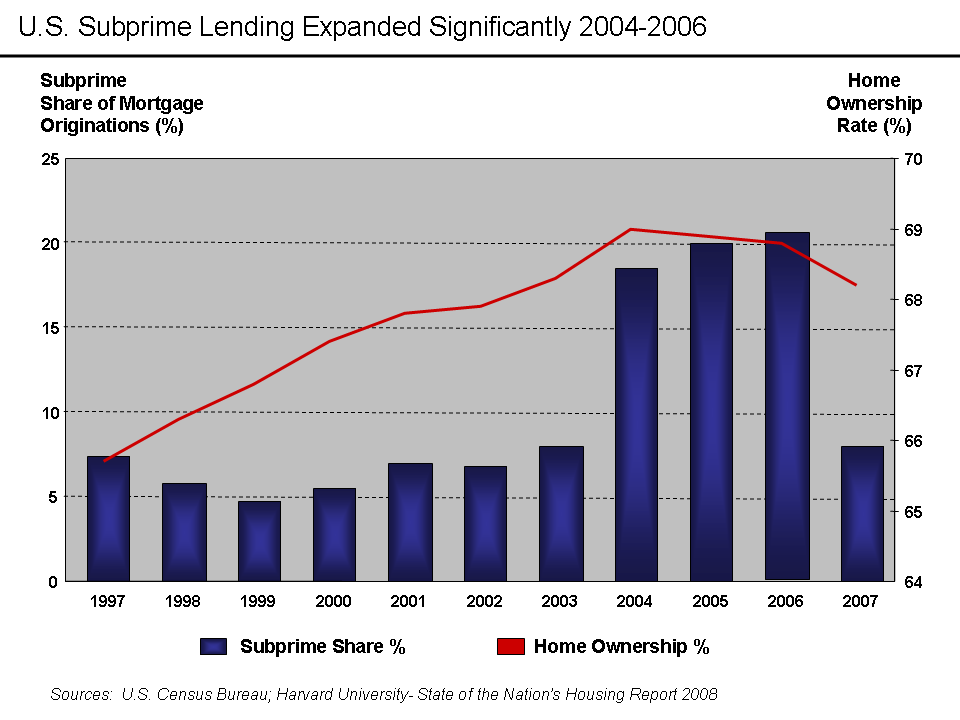
interest rates on household loans are increasing, placing additional burdens on families. Understanding these changes is crucial for managing your financial health.
Understanding Interest Rates
In recent months, there has been growing concern regarding the impact of rising interest rates on household loans. As financial institutions adjust their rates in response to changing economic conditions, households may find themselves burdened by increased repayment amounts.
Understanding how interest rates work is crucial for borrowers. Interest rates on household loans are typically influenced by several factors, including:
- Central Bank Policies: Decisions made by central banks regarding monetary policy directly affect interest rates.
- Inflation Rates: Higher inflation can lead to higher interest rates as lenders seek to maintain their profit margins.
- Economic Growth: A robust economy often leads to increased demand for loans, which can push interest rates higher.
For many households, the implications of these rising rates mean a tighter budget. Increased costs can lead to difficult financial decisions, as families strive to manage their expenses while dealing with interest rates on household loans that continue to climb. Understanding these dynamics is essential for making informed borrowing choices.
Current Trends in Household Loans
As of late 2023, the landscape of household loans is experiencing significant changes, particularly in the realm of interest rates. Many financial institutions are adjusting their rates in response to economic shifts, leading to a ripple effect on consumer borrowing.
Recent data indicates that interest rates on household loans have risen, reflecting broader economic conditions and the central bank’s monetary policies. This increase has led to concerns among borrowers about their ability to manage monthly payments and overall debt.
Some key trends observed in the current market include:
- Rising Rates: Many lenders are increasing their rates, making it more expensive for households to secure loans.
- Impact on Affordability: Higher interest rates are causing potential homebuyers to reconsider their budgets and purchasing power.
- Shift in Loan Types: Borrowers are increasingly opting for fixed-rate loans to hedge against future rate hikes.
- Increased Delinquencies: Some households are struggling to keep up with payments, leading to a rise in loan delinquencies.
As these trends evolve, understanding the implications of interest rates on household loans becomes crucial for both consumers and lenders alike.
How Rising Rates Affect Borrowers
As interest rates on household loans continue to rise, borrowers are feeling the pressure on their finances. Higher interest rates can lead to increased monthly payments, making it more challenging for households to manage their budgets. This shift not only affects new borrowers but also those with existing loans who may be looking to refinance.
In particular, the impact can be seen in several key areas:
- Monthly Payments: With higher rates, the cost of borrowing increases, resulting in larger monthly payments that can strain household budgets.
- Loan Approvals: Lenders may tighten their criteria, making it harder for borrowers to qualify for loans or secure favorable terms.
- Consumer Confidence: Rising interest rates can lead to decreased consumer spending, as households prioritize debt repayment over discretionary purchases.
Furthermore, families may find themselves allocating more of their income towards servicing debt, which could hinder long-term financial goals such as saving for education or retirement. As the landscape of household loans evolves, understanding the implications of rising rates is essential for borrowers navigating these challenging economic conditions.
Strategies for Managing Loan Payments
As interest rates on household loans continue to rise, many borrowers are feeling the pressure of increased monthly payments. To effectively manage these loan payments, individuals can adopt several strategies:
- Refinancing Options: Consider refinancing existing loans to secure a lower interest rate. This can lead to reduced monthly payments and overall savings.
- Budgeting: Create a detailed budget to monitor expenses and prioritize loan payments. Allocating funds specifically for this purpose can help manage cash flow more effectively.
- Making Extra Payments: If possible, making additional payments towards the principal can help reduce the total interest paid over the life of the loan.
- Loan Consolidation: Combining multiple loans into a single one can simplify payments and potentially lower the average interest rate.
- Seeking Financial Advice: Consulting with a financial advisor can provide personalized strategies tailored to individual circumstances, especially in a fluctuating interest rate environment.
By implementing these strategies, borrowers can mitigate the impacts of rising interest rates on household loans and maintain financial stability.
Expert Opinions on Future Rates
Experts in the financial sector are closely monitoring the trajectory of interest rates on household loans, as many predict continued fluctuations in the near future. According to Dr. Linda Hayes, an economist at the National Financial Institute, “The current economic climate suggests that households could face increasing interest burdens, particularly as central banks adapt their policies to combat inflation.”
Moreover, James T. Reynolds, a financial advisor, emphasizes the importance of understanding how these changes could impact families. “With interest rates on household loans expected to rise further, borrowers need to prepare for a potential strain on their budgets,” he advises. “It is crucial to explore options like fixed-rate loans to mitigate risks associated with these rising costs.”
Additionally, Margaret Wu, a banking analyst, points out that “the accessibility of credit may narrow, making it harder for new borrowers to enter the market.” She encourages potential homeowners to act swiftly while rates remain relatively stable. With varying forecasts, it is clear that the landscape of household loan interest rates will continue to evolve, influencing both current and prospective borrowers.
The Broader Economic Context
The current landscape of interest rates on household loans is deeply intertwined with the broader economic context, which includes inflation, employment rates, and consumer spending. As central banks adjust their monetary policies in response to shifting economic indicators, the implications for households are significant. Many families are facing increased financial strain as interest rates rise, leading to higher monthly payments on loans and mortgages.
In recent months, reports have shown that the average interest rates on household loans have climbed steadily. This trend raises concerns about household budgets, as a larger portion of income must now be allocated to servicing debt. Additionally, with inflation affecting the cost of living, many households find themselves squeezed from multiple angles.
Moreover, the resulting decrease in disposable income can impact consumer spending, creating a ripple effect throughout the economy. Reduced spending can hinder economic growth, prompting questions about whether the current interest rate hikes are sustainable in the long term.
As households navigate this challenging financial landscape, understanding the broader economic context becomes crucial for informed decision-making regarding loans and personal finance.
By Farcaster at English Wikipedia via Openverse
Sources
GIFT Nifty jumps: Strong Start for Sensex and Nifty Today · Nvidia employee apology: Is it the right move for Huang? · Indian Bank Tax Saver: Best Proven Benefits for 2026-27
Interest rates on household loans are rising. Discover the real impact on your finances and what you can do to manage it effectively.