

Best Circular Saws for Wood, Metal, and Construction Materials

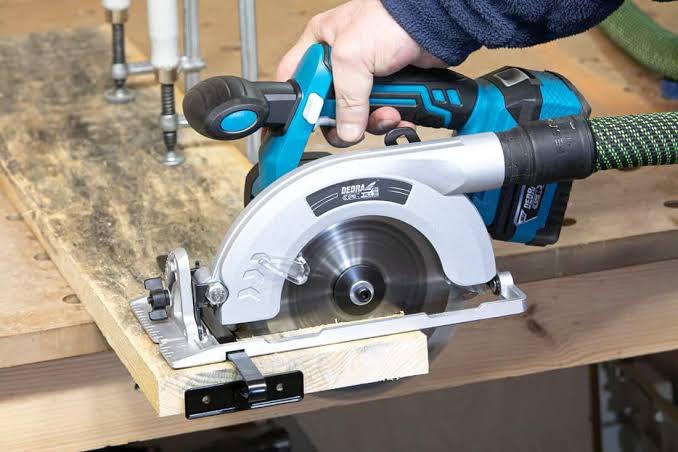
Every serious tradesperson knows that cutting accuracy begins long before the blade meets the material. From framing walls to slicing through sheet metal, the right saw can mean the difference between a clean finish and a costly mistake. Circular saws have earned their place as one of the most versatile cutting tools on any job site, and for good reason. Their compact design, combined with raw power and adaptability, makes them indispensable across woodworking, metalworking, and heavy construction.
But not every circular saw handles every material equally well. Blade compatibility, motor torque, bevel capacity, and dust management all play critical roles in determining which saw belongs in your toolkit. This guide breaks down the core features that separate great circular saws from average ones, and how to match those features to your specific trade demands.
Why Blade Selection Defines Cutting Performance
The blade is the most important variable in any circular saw setup. A saw’s motor might be powerful, but pairing it with the wrong blade for a given material will produce poor cuts, excessive heat, and premature wear.
What Makes a Blade Right for Wood?
For clean, precise cuts in timber, plywood, and engineered lumber, the number of teeth on a blade directly affects finish quality. Fewer teeth remove material faster, making them ideal for ripping solid wood along the grain. More teeth create smoother edges, which matters when cutting sheet goods or making crosscuts in hardwood.
Carbide-tipped blades are the professional standard for wood cutting. Carbide holds an edge far longer than standard steel under continuous use, reducing the frequency of blade changes on long projects.
What Blade Type Suits Metal Cutting?
Metal cutting demands a completely different approach. Abrasive discs handle ferrous metals effectively, though they wear down with use and generate significant sparks. Cold-cut blades—designed with finer, closely spaced teeth—offer a cleaner alternative for cutting steel, aluminum, and conduit with minimal heat buildup.
Aluminum requires a non-ferrous blade with a negative hook angle. This design prevents the blade from grabbing material and reduces the risk of kickback, which becomes a real concern when cutting softer metals at speed.
Specialty Blades for Construction Materials
Construction sites regularly involve materials beyond simple wood or steel. Fiber cement siding, roofing tiles, composite panels, and masonry all require purpose-built blades. Polycrystalline diamond blades excel with fiber cement, while segmented turbo blades handle masonry and concrete with durability that standard blades cannot match.
Matching the blade to the material is not optional—it is foundational to safe, efficient cutting.
Motor Power and Its Impact on Cutting Depth
Motor strength determines how well a circular saw maintains consistent speed when pushing through dense or thick materials. A saw that bogs down mid-cut creates rough edges, increases blade wear, and puts additional strain on the motor over time.
How Does Motor Design Affect Performance for Tradespeople?
Brushless motors represent the current high point in circular saw motor technology. Compared to brushed designs, brushless motors run cooler, require less maintenance, and deliver more consistent torque across varying load conditions. For tradespeople making dozens of cuts daily, this translates to longer tool life and fewer interruptions on the job.
Corded models continue to offer advantages where sustained power output matters most. When cutting through thick hardwood beams or dense metal stock repeatedly, corded saws do not experience the performance drop that occurs as battery charge diminishes in cordless units.
Cordless designs have closed this gap considerably in recent years. High-voltage battery platforms now deliver cutting performance that rivals corded tools in most construction scenarios, adding the mobility that job sites often demand.
Bevel and Depth Adjustment: Getting the Cut Geometry Right
Flat, straight cuts are only part of the story. Bevel cuts, compound angles, and precise depth control expand what a circular saw can accomplish and how accurately it performs complex tasks.
How Does Bevel Capacity Affect Versatility?
Most professional-grade circular saws offer bevel capacity up to a standard angle, with positive stops at commonly used increments. These positive stops allow quick, repeatable angle settings without the need to manually verify geometry each time.
Left-blade models place the blade on the operator’s left, which improves sightline to the cut line. Right-blade models follow the traditional layout. The preferred configuration varies between tradespeople and often depends on whether the user is right- or left-handed.
Why Does Cutting Depth Adjustment Matter on the Job Site?
Setting the blade depth correctly does more than protect the work surface beneath the material. Excessive blade exposure below the cut increases kickback risk and puts unnecessary stress on the blade. Setting the blade just beyond the material thickness keeps the gullets of the blade clearing sawdust efficiently while maintaining stability through the cut.
Fine-tooth depth adjustment mechanisms—those with rack-and-pinion or tool-free locking levers—speed up setup time significantly across a full workday.
Dust Management and Job Site Safety
Sawdust and metal particles are occupational hazards that accumulate quickly without proper management. Poor dust collection affects visibility, creates slip risks, and—with wood dust—raises longer-term health concerns in enclosed spaces.
What Dust Management Features Should Professionals Look For?
Effective port design matters as much as suction power. Ports angled toward the cut line collect debris before it scatters across the workspace. Sealed motor housings prevent fine particles from entering and accumulating inside the tool, which extends motor lifespan in dusty environments.
Compatibility with standard vacuum hose diameters allows most circular saws to connect directly to shop vacuums, significantly improving collection efficiency compared to relying on a saw’s built-in dust bag.
Choosing the Right Circular Saw for Your Trade
Matching saw features to trade requirements comes down to three priorities: the primary material being cut, the work environment, and the volume of daily use.
Woodworkers and finish carpenters benefit most from high tooth-count blades, precise bevel stops, and left-blade visibility. Metal fabricators should prioritize motor torque, appropriate blade type, and spark containment. Construction tradespeople working across varied materials and environments gain the most from durable brushless motors, tool-free depth adjustment, and strong battery platform ecosystems.
A circular saw chosen with these factors in mind performs as a precision instrument rather than a blunt tool—and that distinction shows clearly in the quality of every cut.
Every serious tradesperson knows that cutting accuracy begins long before the blade meets the material. From framing walls to slicing through sheet metal,…