

Commodity Trading vs. Equity Trading: Which is the Better Investment?

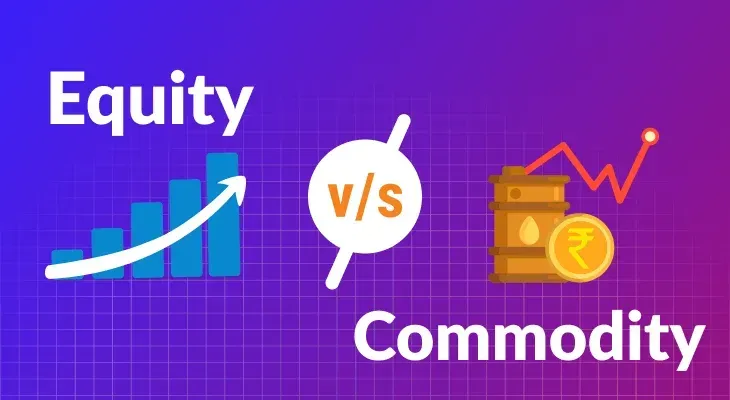
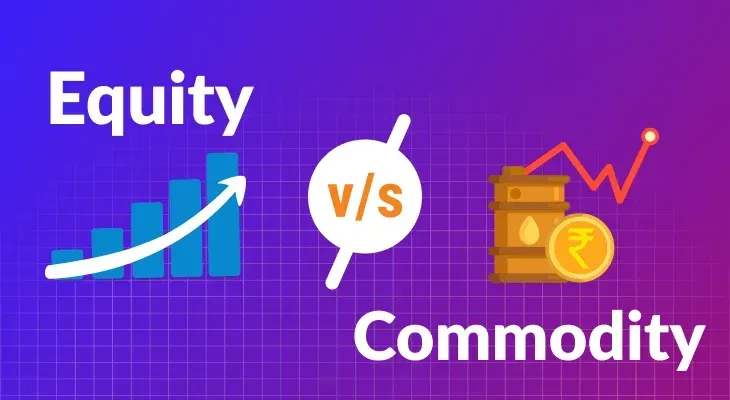
Equity trading and commodity trading are two popular avenues for investing in the Indian financial markets. While equity trading involves buying and selling company shares, commodity trading deals with raw materials like metals, energy, and agricultural products. This blog will compare these trading options, outlining their differences, advantages, and risks to help you make informed investment choices. Additionally, we will highlight the importance of choosing a reliable trading platform for successful trading.
Equity Trading Explained
Equity trading involves purchasing and selling shares of publicly listed companies. When you buy a stock, you own a part of that company and may benefit from its growth.
Benefits of Equity Trading:
- Long-Term Growth Potential: Stocks typically offer higher returns over the long term compared to other asset classes.
- Ownership and Dividends: Shareholders may receive dividends and voting rights.
- Variety of Trading Styles: Options include intraday trading, swing trading, and long-term investing.
Risks of Equity Trading:
- Market Volatility: Stock prices can fluctuate significantly due to market conditions.
- Company-Specific Risks: Poor performance or management issues can impact share prices.
Commodity Trading Explained
Commodity trading involves buying and selling raw materials like gold, oil, or wheat. Traders often use commodity markets to hedge against inflation or diversify their portfolios.
Benefits of Commodity Trading:
- Hedge Against Inflation: Commodity prices often rise with inflation, preserving purchasing power.
- Diversification: Commodities can reduce overall portfolio risk due to their low correlation with stocks.
Risks of Commodity Trading:
- Price Volatility: Commodity prices are highly sensitive to global events, weather patterns, and supply-demand dynamics.
- Complexity: Requires understanding of factors like futures contracts and market trends.
Comparative Analysis: Equity Trading vs. Commodity Trading
| Factor | Equity Trading | Commodity Trading |
| Risk Level | Moderate to High | High (due to market and global factors) |
| Potential Returns | High (especially long-term) | High (especially with leverage) |
| Investment Horizon | Short to Long Term | Short to Medium Term |
| Market Influences | Company performance, economy trends | Global events, supply-demand shifts |
| Complexity | Moderate | High (requires more market knowledge) |
| Liquidity | High (easy to buy/sell shares) | Moderate to High (varies by commodity) |
| Tax Implications | Gains taxed as per capital gains rules | Varies; may include commodity-specific taxes |
Choosing the Right Investment for You
Selecting between equity and commodity trading depends on your financial goals, risk tolerance, and investment horizon.
- If you seek long-term growth and company ownership, equity trading may suit you.
- If you prefer short-term opportunities or hedging against inflation, consider commodity trading.
Whichever you choose, selecting a suitable trading platform is crucial. When comparing platforms, evaluate factors like brokerage fees, trading tools, research resources, and user experience. Both equity and commodity trading require proper market research and risk management strategies.
Trading Platforms in India
The Indian market offers numerous online trading platforms, catering to both equity and commodity trading. It is essential to choose a SEBI-registered broker to ensure safety and compliance with regulatory standards. Equity trading platform in Chennai make it easier than ever for residents to participate in the Indian stock market
When comparing platforms, consider:
- Brokerage Fees: Lower fees can enhance your net returns.
- Trading Tools: Advanced charts, real-time data, and technical analysis tools are valuable.
- Customer Support: Reliable support is essential for resolving trading issues promptly.
Many platforms support both equity and commodity trading, so comparing features and fees is important.
Conclusion
Both equity and commodity trading offer unique advantages and challenges. Your choice should align with your financial goals, risk appetite, and investment timeline. Equity trading may suit long-term investors seeking growth, while commodity trading can benefit those aiming for short-term gains or portfolio diversification. Regardless of your preference, thorough research and a reliable trading platform are vital for success. Explore different platforms, compare features, and consult a financial advisor if needed.
Equity trading and commodity trading are two popular avenues for investing in the Indian financial markets. While equity trading involves buying and…