

GOP election defeat: Worst spending strategies in history

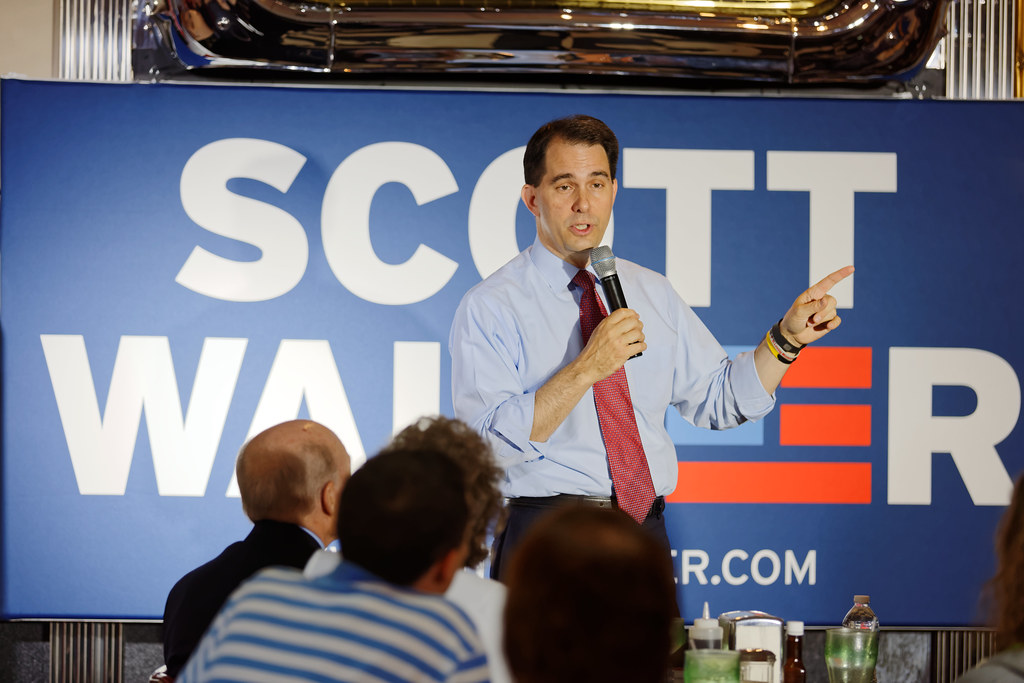
GOP election defeat has sparked discussions on the impact of spending in U.S. midterm elections. Musk’s involvement raises questions about financial strategies.
Overview of the U.S. Midterm Elections
The U.S. midterm elections have historically served as a barometer for the incumbent party’s performance, and this year was no exception. As the dust settles, the GOP election defeat has sparked significant discussion around their spending strategies, which many critics describe as among the worst in history.
In an election cycle characterized by high stakes and intense campaigning, the Republican Party invested heavily in various initiatives. However, these efforts did not translate into the anticipated electoral success. The following points highlight key factors that contributed to the GOP’s disappointing outcome:
- Financial Misallocation: Funds were directed toward candidates and districts that failed to resonate with voters.
- Lack of Cohesion: Divisions within the party weakened their overall message and strategy.
- Voter Sentiment: Issues such as economic disparities and social justice dominated voter concerns, sidelining traditional GOP platforms.
- External Influences: Prominent figures, including Elon Musk, commented on the party’s struggles, drawing public attention to their electoral failures.
As the GOP reflects on this election cycle, it will need to reassess its approach to spending and strategy to regain voter trust in future elections.
Musk’s Role in GOP Funding
Elon Musk has emerged as a notable figure in the GOP’s funding landscape, particularly during the recent elections. His financial contributions to Republican candidates and initiatives have sparked significant discussion, especially in light of the party’s disappointing performance. Musk’s involvement raises questions about the effectiveness of their spending strategies, with many analysts pointing to the GOP election defeat as a consequence of misaligned priorities.
Despite the substantial amounts funneled into campaigns, the results were far from favorable. Observers have noted that:
- The GOP’s focus on high-profile endorsements, including Musk’s, did not translate into voter support.
- Targeting specific demographics proved ineffective, as the party failed to connect with younger voters who are influential in today’s political climate.
- The reliance on celebrity endorsements may have overshadowed meaningful policy discussions that resonate with constituents.
Musk himself has jokingly commented on the outcome, highlighting the irony of spending record sums only to face a significant defeat. This situation serves as a critical lesson for the GOP as they reevaluate their funding and outreach strategies moving forward.
Analysis of Election Spending
The GOP election defeat has raised significant questions about the party’s spending strategies in the recent midterm elections. Despite pouring unprecedented amounts of money into campaigns, the results did not align with expectations, leading to widespread criticism of financial decisions.
Several factors contributed to this financial miscalculation, including:
- Overreliance on High-Profile Donors: The party leaned heavily on donations from a few wealthy individuals, which may have limited broader grassroots support.
- Poor Allocation of Resources: Funds were often directed toward candidates with little chance of success, while more viable races were underfunded.
- Failure to Address Voter Concerns: Many voters felt that the GOP did not adequately address pressing issues, resulting in a disconnect that the spending could not bridge.
As a result, the party’s financial strategies are now being scrutinized, with experts suggesting a need for a more balanced and inclusive approach moving forward. If the GOP hopes to recover from this election defeat, reevaluating their spending tactics will be essential for future success.
Impact of GOP Election Defeat
The recent GOP election defeat has sent shockwaves through the political landscape, prompting analysts to assess the broader implications. The ramifications of this loss extend beyond immediate electoral outcomes, impacting the party’s future strategies, funding, and voter engagement.
One significant impact is the erosion of donor confidence. Many financial backers are now questioning the effectiveness of their contributions, especially after witnessing the party’s record spending with little return. This skepticism may lead to a tightening of funds for future campaigns, as donors become more cautious.
- Voter Disillusionment: The defeat has also contributed to a sense of disillusionment among GOP supporters, who may feel that their voices are not being heard.
- Strategic Reassessment: Party leaders are compelled to reassess their strategies, focusing on grassroots efforts to rebuild trust and optimize future expenditures.
- Shift in Messaging: The GOP may need to pivot its messaging to better resonate with a changing electorate, addressing issues that matter most to voters.
As the GOP reflects on this election defeat, it faces the critical challenge of revitalizing its approach to ensure future success.
Public Reaction to Election Outcomes
The recent GOP election defeat has sparked a wave of public reaction, with many voters expressing their disappointment and frustration. Social media platforms have become a battleground for opinions, as constituents share their thoughts on the implications of the election outcomes.
Many commentators have pointed out that the spending strategies employed by GOP candidates were among the worst in history. This sentiment is echoed in various online discussions, where users have highlighted the disconnect between financial investments and voter engagement.
- Voter Disillusionment: A significant portion of the electorate feels disenchanted with the GOP, believing that the party’s focus on fundraising overshadowed key issues that mattered to constituents.
- Criticism of Leadership: Prominent figures within the party are facing backlash for their roles in the election strategies, with calls for a reevaluation of leadership and direction.
- Calls for Reform: There is a growing demand among voters for a shift in tactics, advocating for more grassroots initiatives and community-focused campaigns.
As the dust settles from the recent elections, the GOP must reckon with the consequences of their strategies and the clear message from their supporters.
Future Implications for the GOP
The recent GOP election defeat has raised significant concerns about the party’s future strategies and its ability to regain lost ground. As political analysts dissect the results, several implications are emerging that could shape the GOP’s approach in upcoming elections.
One major concern is the effectiveness of current spending strategies. Many within the party are questioning the allocation of resources and whether the investment in high-profile candidates truly resonated with voters. The unprecedented financial backing from figures like Elon Musk did not yield the desired outcomes, leading to a reevaluation of how funds are utilized.
Furthermore, the GOP may need to reconsider its messaging and outreach efforts. Engaging younger voters and addressing pressing issues such as climate change and economic inequality could be crucial for future success. The party’s traditional base is shrinking, and adapting to the evolving political landscape will be essential.
In the wake of this election defeat, a strategic overhaul may be necessary. The GOP must learn from this cycle and adopt a more inclusive and responsive approach to attract a broader electorate, or risk further declines in subsequent elections.
Comparing Spending Strategies
The GOP election defeat in the recent midterms has prompted a closer examination of the party’s spending strategies. Analysts have identified several key approaches that contributed to this loss, highlighting not only financial miscalculations but also strategic misalignments with voter sentiment.
- Heavy Investment in Digital Ads: While digital advertising has become a staple in modern campaigns, the GOP’s heavy spending in this area did not translate into voter engagement. Many ads failed to resonate, leaving potential supporters unimpressed.
- Focus on Celebrity Endorsements: The party allocated significant funds towards celebrity endorsements, believing they would sway undecided voters. However, the impact was minimal, further exacerbating the GOP election defeat.
- Underestimating Grassroots Movements: In a landscape where grassroots initiatives have proven effective, the GOP’s neglect of local organizing efforts has been a critical oversight. Voter mobilization at the community level emerged as a winning strategy for opponents.
- Misallocation of Resources: Funds were often channeled into races viewed as unwinnable, diverting attention from competitive districts where investments could have made a significant difference.
As the GOP reflects on these strategies, the lessons learned will undoubtedly shape future electoral approaches.
Lessons Learned from the Election
The recent GOP election defeat has provided several critical lessons for the party as it navigates the political landscape ahead. Understanding these lessons is vital for future strategies and ensuring that past mistakes are not repeated.
- Reevaluation of Funding Allocations: The GOP must reassess how its resources are distributed, focusing on candidates and districts that align more closely with voter sentiment.
- Engagement with Voter Concerns: Connecting with the electorate on pressing issues will be essential. The party should prioritize grassroots efforts to understand and address local needs.
- Adaptability in Messaging: The GOP needs to refine its messaging to resonate with a broader audience, moving beyond traditional platforms that may no longer be effective.
- Investment in Digital Strategies: As demonstrated by the results, traditional campaign methods may not suffice. Emphasizing digital outreach could engage younger voters and underrepresented demographics.
- Building Coalitions: Forming alliances with diverse groups can expand the party’s appeal, mitigating losses and enhancing its overall electoral strategy.
Ultimately, the GOP election defeat serves as a stark reminder that effective spending strategies are crucial for success in future elections.
The recent GOP election defeat has raised questions about the effectiveness of their spending strategies. Analysts argue that this GOP election defeat could serve as a critical lesson for future campaigns.
By Michael Vadon via Openverse
References
Related reading
- EloElo funding news: NBCUniversal backs microdramas with $80M
- Wegovy pill rollout: Proven strategies for successful adoption
- Avino Silver Earnings Report: Best Proven Results for Q3
GOP election defeat reveals the truth behind record spending by Musk and the party.