

Indian equities thrive: Best proven strategies for investors

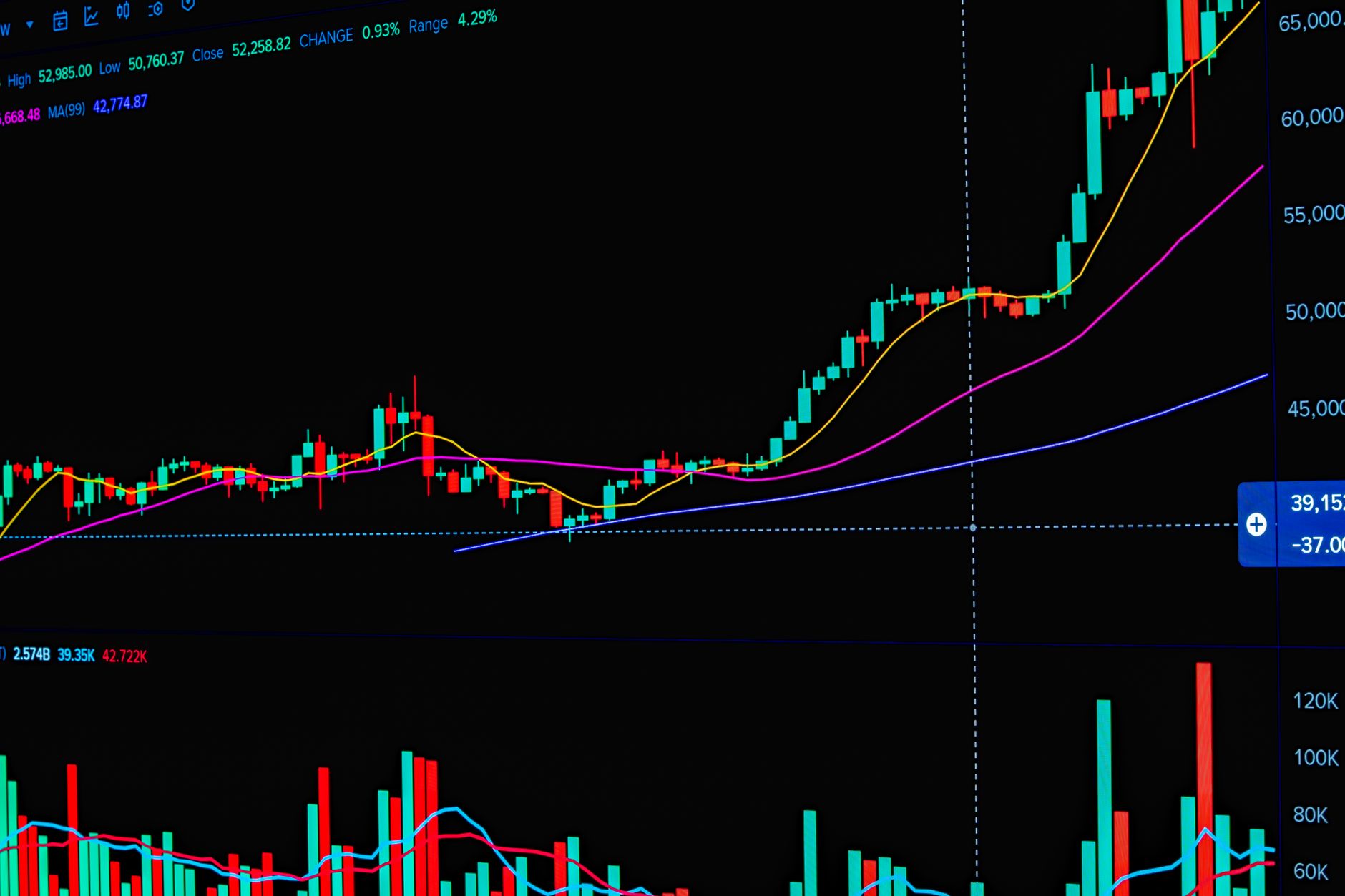
Indian equities thrive as Sensex and Nifty hit their highest levels since February. This positive trend is largely driven by the recent decline in crude oil prices, offering new opportunities for investors.
Understanding the Current Market Trends
As of October 2023, Indian equities thrive in a climate marked by significant market momentum. The recent surge in the Sensex and Nifty indices highlights investor confidence and robust economic fundamentals. With both indices reaching their highest levels since February, several factors contribute to this upward trajectory.
One primary driver is the easing of crude oil prices, which has positively impacted inflation rates and reduced pressure on consumers and businesses alike. This decline in crude prices fosters a more favorable environment for growth, enabling companies to improve their profitability and expand operations.
Moreover, the ongoing reforms in various sectors, coupled with government initiatives aimed at enhancing ease of doing business, are further bolstering market sentiment. Investors are increasingly optimistic about the potential for long-term growth, leading to a strong influx of capital into the market.
In addition to these macroeconomic factors, sector-specific performance has also been noteworthy. Financial services, technology, and consumer goods have shown remarkable resilience and growth, attracting significant investment.
Overall, the combination of favorable global cues, domestic reforms, and sectoral strength indicates that Indian equities thrive, creating numerous opportunities for both seasoned and new investors.
Impact of Crude Prices on Indian Equities
The recent surge in Indian equities has been significantly influenced by fluctuating crude oil prices. As crude prices have eased, investor sentiment has shifted positively, allowing major indices such as the Sensex and Nifty to reach their highest levels since February. This trend highlights the intricate relationship between global commodity prices and domestic stock market performance.
Lower crude prices can have several beneficial effects on the Indian economy and, consequently, on Indian equities:
- Reduced Inflation: Easing crude prices contribute to lower transportation and logistics costs, which can help control inflation rates. This stability encourages consumer spending, further boosting corporate earnings.
- Improved Corporate Margins: Companies that rely heavily on oil and gas can experience enhanced profit margins when crude prices fall. This can lead to better stock performance, attracting more investors to the market.
- Increased Foreign Investment: As Indian equities thrive in a stable economic environment, foreign investors may become more confident in allocating funds to India, further driving up stock prices.
In summary, the interplay between crude prices and Indian equities is crucial for investors to consider, especially in a market environment that is currently favorable.
Key Drivers Behind Sensex and Nifty Growth
The recent surge in Indian equities can be attributed to several key drivers that have contributed to the growth of the Sensex and Nifty. Understanding these factors is essential for investors looking to capitalize on the thriving market.
- Strong Corporate Earnings: Companies across various sectors have reported robust earnings, signaling resilience and growth potential. This positive performance has boosted investor confidence in Indian equities.
- Favorable Government Policies: The Indian government’s proactive measures, including reforms aimed at boosting investment and consumption, have played a significant role in enhancing market sentiment.
- Foreign Investment Inflows: Increased interest from foreign institutional investors has provided much-needed liquidity to the markets, further driving the growth of the Sensex and Nifty.
- Stable Economic Outlook: With a steady recovery from the pandemic and improved economic indicators, investors are optimistic about the long-term growth trajectory of Indian equities.
- Easing Inflation Rates: The reduction in inflation has alleviated concerns over monetary policy tightening, encouraging investors to take positions in the stock market.
As these factors continue to evolve, they will likely shape the investment landscape, making Indian equities an attractive option for both domestic and international investors.
Investment Opportunities in a Thriving Market
As Indian equities thrive, investors are presented with a wealth of investment opportunities that can lead to substantial growth. The current market climate is characterized by several key factors that bolster confidence among investors.
One of the most prominent opportunities lies in the technology sector, where companies are rapidly innovating and expanding their market reach. Given the robust demand for digital solutions, investing in tech stocks has proven to be lucrative.
Another sector gaining traction is renewable energy. With increasing government support and a global shift towards sustainability, renewable energy companies are well-positioned for long-term growth.
Additionally, the financial services sector offers promising avenues for investment. As the economy continues to recover, banks and financial institutions are expected to perform well, providing attractive returns for investors.
Investors should also consider diversifying their portfolios to include mid-cap and small-cap stocks, which have shown significant potential for growth. These segments often outperform large-cap stocks in a thriving market.
- Technology Sector: Focus on digital solutions.
- Renewable Energy: Government support driving growth.
- Financial Services: Recovery leads to improved performance.
- Mid and Small-Cap Stocks: Diversification for higher returns.
With these strategies, investors can effectively navigate the thriving landscape of Indian equities.
Expert Opinions on Future Market Performance
Experts in the financial sector are optimistic about the future performance of Indian equities, highlighting several key factors that contribute to their thriving nature. According to market analyst Ramesh Patel, “The resilience of Indian equities in the face of global uncertainty is commendable. With the Sensex and Nifty reaching their highest levels since February, investors should remain vigilant and consider diversifying their portfolios.”
Another prominent economist, Priya Sharma, emphasizes the importance of macroeconomic stability. She states, “As inflation rates stabilize and the RBI maintains a favorable stance on interest rates, Indian equities thrive, providing a solid foundation for investors.”
Additionally, investment strategist Aakash Verma notes the significance of sectoral performance. “Sectors such as technology and pharmaceuticals are showing robust growth, which is likely to drive overall market performance,” he explains.
In light of these insights, experts recommend that investors focus on the following strategies to capitalize on the thriving Indian equities market:
- Diversification: Spread investments across various sectors to mitigate risks.
- Long-term Perspective: Stay committed to investments for prolonged periods to maximize gains.
- Regular Monitoring: Keep an eye on market trends and adjust portfolios accordingly.
These strategies may prove beneficial for those looking to navigate the evolving landscape of Indian equities.
As market conditions continue to evolve, understanding how to make Indian equities thrive is essential for investors seeking long-term growth. By implementing proven strategies, investors can ensure that their portfolios benefit from the potential of Indian equities thrive in a dynamic economy.
Photo by Rafael Minguet Delgado on Pexels
Read the original
- Sensex climbs today: What’s the proven boost for markets?
- Kissht funding news: Is it the best investment opportunity?
- Spectral AI earnings: Best proven results or disappointing outcome?
Indian equities thrive as Sensex and Nifty reach new heights amid easing crude prices. Discover key insights for investors.