

South Korea Mortgage Rates: Worst Rise in 14 Years

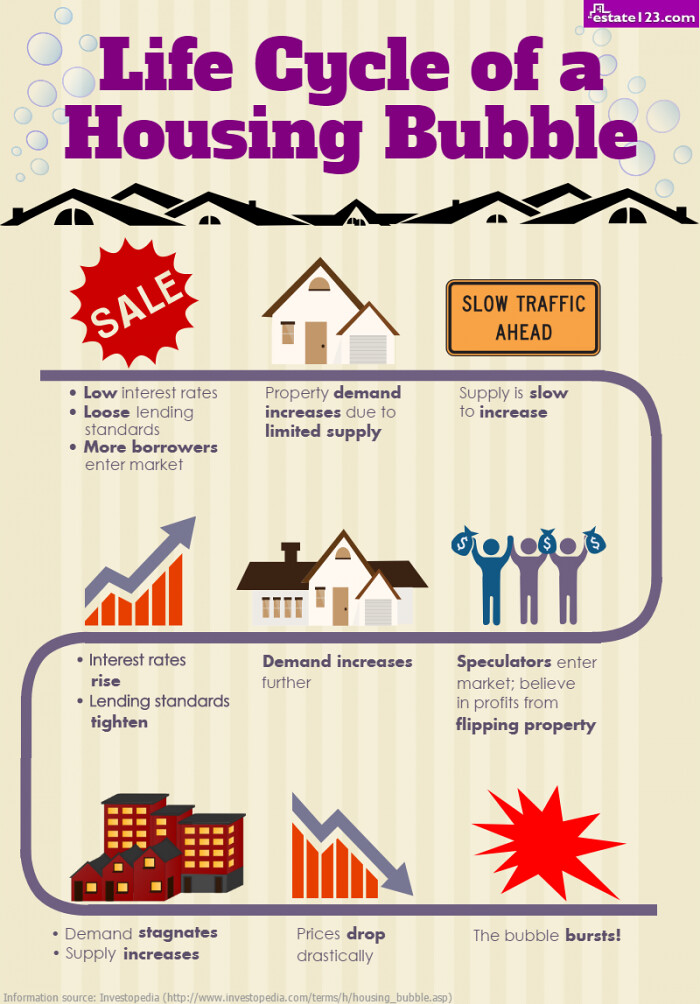
South Korea mortgage rates have reached a staggering 4.98%, marking the highest level in 14 years and 7 months. This significant rise in household loan rates is causing concern among borrowers.
Current State of Mortgage Rates
The current state of mortgage rates in South Korea has reached alarming levels, marking the worst rise in 14 years. As of now, household loan rates have surpassed the 5% threshold, with mortgage rates climbing to 4.98%. This surge represents the highest rates seen in over 14 years and 7 months, leaving many homeowners and potential buyers concerned about affordability and future financial stability.
Several factors have contributed to this unprecedented increase in mortgage rates:
- Economic Conditions: Inflationary pressures and global economic uncertainties have led to tighter monetary policies.
- Central Bank Decisions: The Bank of Korea has raised interest rates to combat rising inflation, directly impacting mortgage rates.
- Housing Demand: Increased demand for housing in urban areas has driven prices up, further straining potential buyers.
As a result, many South Koreans are re-evaluating their financial plans. The rising mortgage rates may force a shift in the housing market, potentially cooling off what has been a booming sector. Home buyers will need to navigate these challenging waters as they consider their options in a rapidly changing economic landscape.
Impact on Homebuyers
The recent surge in South Korea mortgage rates has sent shockwaves through the housing market, leaving prospective homebuyers grappling with the implications of the highest rates in over a decade. As mortgage rates climb to 4.98%, many are reconsidering their plans to purchase a home.
With the rising costs, homebuyers are now faced with several challenges:
- Affordability Issues: The increase in mortgage rates translates to higher monthly payments, making it more difficult for families to afford new homes.
- Decreased Demand: Many potential buyers are delaying their purchases, leading to a slowdown in the housing market and a potential drop in home prices.
- Impact on First-Time Buyers: First-time buyers are particularly affected, as they often rely on favorable mortgage rates to enter the market.
As the financial landscape shifts, experts suggest that homebuyers should carefully evaluate their options and consider alternative financing solutions. The current state of South Korea mortgage rates not only affects individual buyers but also poses broader implications for the economy as a whole.
Historical Context of Loan Rates
In recent years, South Korea mortgage rates have experienced significant fluctuations, reflecting broader economic trends and policies. The last time loan rates surged to such heights was over a decade ago, when the global financial crisis prompted a reevaluation of lending practices and interest rates.
Historically, South Korea’s mortgage rates have been influenced by various factors, including government regulations, inflation rates, and the overall health of the housing market. Over the past 14 years, the nation has seen periods of both low interest rates aimed at stimulating economic growth and higher rates designed to curb excessive borrowing.
As we examine the past, it is clear that the current rates, now at 4.98%, are not only a reflection of the present economic conditions but also a result of lessons learned from previous financial challenges. Homebuyers today face a stark contrast to those who benefited from lower rates in the past, as the burden of higher payments significantly alters the housing landscape.
With the rise in mortgage rates, many potential buyers are reevaluating their options, leading to shifts in demand and market dynamics.
Expert Opinions on Rate Trends
As South Korea grapples with rising mortgage rates, experts weigh in on the implications for borrowers and the housing market. According to financial analyst Lee Joon-seok, the recent spike in South Korea mortgage rates to 4.98% signals a challenging environment for prospective homebuyers. “This is the worst increase in 14 years, and it is likely to deter many from entering the market,” he notes.
Moreover, economist Park Min-hee emphasizes the broader economic ramifications. “Higher borrowing costs will not only affect individual households but could also slow down overall economic growth,” she warns. With inflationary pressures and global interest rate trends contributing to this rise, analysts foresee sustained fluctuations in mortgage rates.
In light of these developments, many are encouraged to consider alternative financing options. Financial advisor Kim Soo-yeon suggests that potential buyers explore adjustable-rate mortgages as a way to mitigate immediate costs. “While these may carry risks, they can provide short-term relief in a high-rate environment,” she explains.
Overall, the consensus among experts is that navigating this landscape will require careful planning and informed decision-making for South Korean homebuyers.
Government Response to Rising Rates
In response to the escalating South Korea mortgage rates, the government has initiated a series of measures aimed at alleviating the burden on homeowners. As the nation grapples with the highest mortgage rates in over 14 years, officials are keenly aware of the potential economic fallout.
The government is exploring options to provide financial assistance programs to first-time homebuyers, which may include low-interest loans and subsidies. Additionally, policymakers are considering adjustments to existing regulations to enhance affordability in the housing market.
Officials are also engaging in discussions with financial institutions to encourage them to offer more flexible loan options. By promoting products with longer repayment terms or lower initial rates, the government hopes to mitigate the impact of the rising South Korea mortgage rates on families across the nation.
Furthermore, the government is prioritizing the monitoring of economic indicators to ensure that any interventions are timely and effective. The ongoing evaluation of the housing market dynamics will be crucial as authorities seek to balance economic stability with the housing needs of their citizens.
Future Projections for Borrowers
As South Korea’s mortgage rates continue to climb, borrowers are increasingly concerned about their financial futures. Analysts predict that the upward trend in rates may persist, impacting both existing and potential homeowners.
According to market experts, the anticipated trajectory for South Korea mortgage rates is influenced by several factors:
- Inflationary Pressures: Ongoing inflation may push the Bank of Korea to further increase its benchmark interest rates, contributing to higher mortgage costs.
- Global Economic Conditions: Uncertain global economic conditions can lead to fluctuations in capital flow, affecting domestic lending rates.
- Government Policies: Any shifts in government housing policies or interventions could also significantly influence mortgage rates in the coming months.
Borrowers are advised to closely monitor these developments. With mortgage rates already at their highest levels in over a decade, the financial landscape is challenging. Potential homebuyers should consider locking in fixed rates now to mitigate future risks, while current homeowners may need to reassess their refinancing options as rates continue to rise.
The recent surge in South Korea mortgage rates has left many potential homebuyers feeling anxious about their financial futures. As experts analyze the situation, they warn that South Korea mortgage rates could continue to rise if economic conditions do not improve.
By henrycollins2 via Openverse
Where this came from
You might also like
- BP Wipro finance operations: Best Proven Transfer Strategy
- Interest Rates on Household Loans: What’s the Real Impact?
- GIFT Nifty jumps: Strong Start for Sensex and Nifty Today
South Korea mortgage rates have surged, reaching 4.98%, the worst increase in over 14 years. Discover the implications for borrowers.